OLED inventors on the short list for the Nobel prize in chemistry
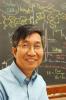
 Dr. Ching Tang and Steven Van Slyke are two OLED pioneers - in fact you can say that they invented OLEDs back in the late seventies when they worked for Eastman Kodak. The two wrote a seminal paper on OLEDs in 1976 that has been cited in more than 5,000 publications, and have been inducted to the CE hall of fame.
The two scientists have been named for this year's citation laureates by Thomson Reuters - which quite accurately forecast Nobel Prize winners (since they started listing scientists in 2002, they accurately forecast 35 Nobel Prize winners). It will be great to see those two esteemed inventors receive the Nobel Prize! The winners will be announced on October 8th.
Read the full story
Posted: Sep 26,2014