OLED (Organic Light Emitting Diodes) is a new technology that enables brighter, more efficient, thinner, faster and better looking displays. OLED panels feature better refresh rates and contrast than either LCD or Plasma - and can be made flexible and transparent.
Sony has been involved with OLED research, development and production for years, and can claim several OLED firsts: in 2004 they launched the world's first PDA with an OLED display (the 3.8" Clie PEG-VZ90), the world's first OLED TV in 2007 (the 11" XEL-1) and for a while they offered the largest OLED displays (the 24.5" BVM-F250 professional OLED monitors). Today Sony produces OLED TVs - using panels produced by LG Display.
Back in 2007, Sony launched the "world's first OLED TV" (the XEL-1), although at 11-inch, it should not really be considered a TV - maybe not even a monitor. It was only made in small quantities and the price ($2,500) was very high. In February 2010 Sony stopped producing the XEL-1.
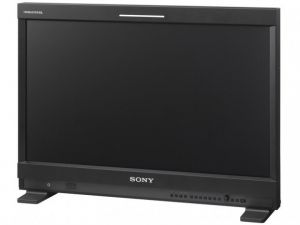
Sony offers several professional OLED monitors for the film and broadcasting industries, including the PVM 740 (7.4 inch), PVM 1741 (17 inch), and the PVM 2541 (25 inch) and the premium BVM F170 (17 inch) and BVM F250 (25 inch). Sony also offers OLED monitors for the medical market. In September 2012 Sony announced that they have sold over 15,000 professional OLED monitors, and in fact their Nagoya OLED production fab is running at "full capacity".
Sony mobile OLED Products
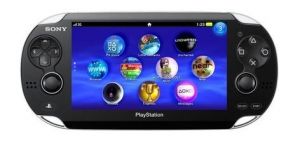
In past years, Sony released several mobile devices that adopted OLED displays. The original portable Vita gaming console is one example. Sony sold over 2 million Vita consoles. The Vita featured a 5" touch Samsung-Made OLED display (960x544), but Sony switched to an LCD in the newer Vita as they wanted to reduce the cost of the device.
In January 2009, Sony unveiled their 'X' series OLED walkman. They claimed it was the best sounding walkman ever, and it's got the best display, too: a 3-inch 432x240 touch AMOLED. Sony has also used a large AMOLED in their NW-A840 walkman.
Sony's main product line is now smartphones - but the company has yet to release an OLED smartphone.
Sony PlayStation VR
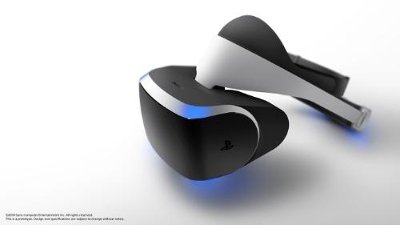
In October 2016 Sony launched its PlayStation VR HMD. Sony's VR HMD uses a 5.7" FHD (1920x1080) AMOLED display (produced by Samsung Display), 360-degree tracking and 3D audio. Sony enjoyed strong sales of this VR headset.
Sony OLED microdisplays
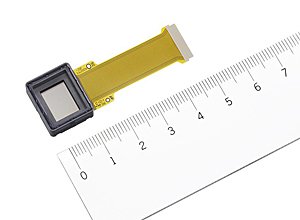
Sony are also producing OLED microdisplays, and have several such displays on the market, including a 0.5" XGA (1024x768) panel for digital camera EVFs and a 0.7" 1280x720 microdisplay used in Sony's HMD products.
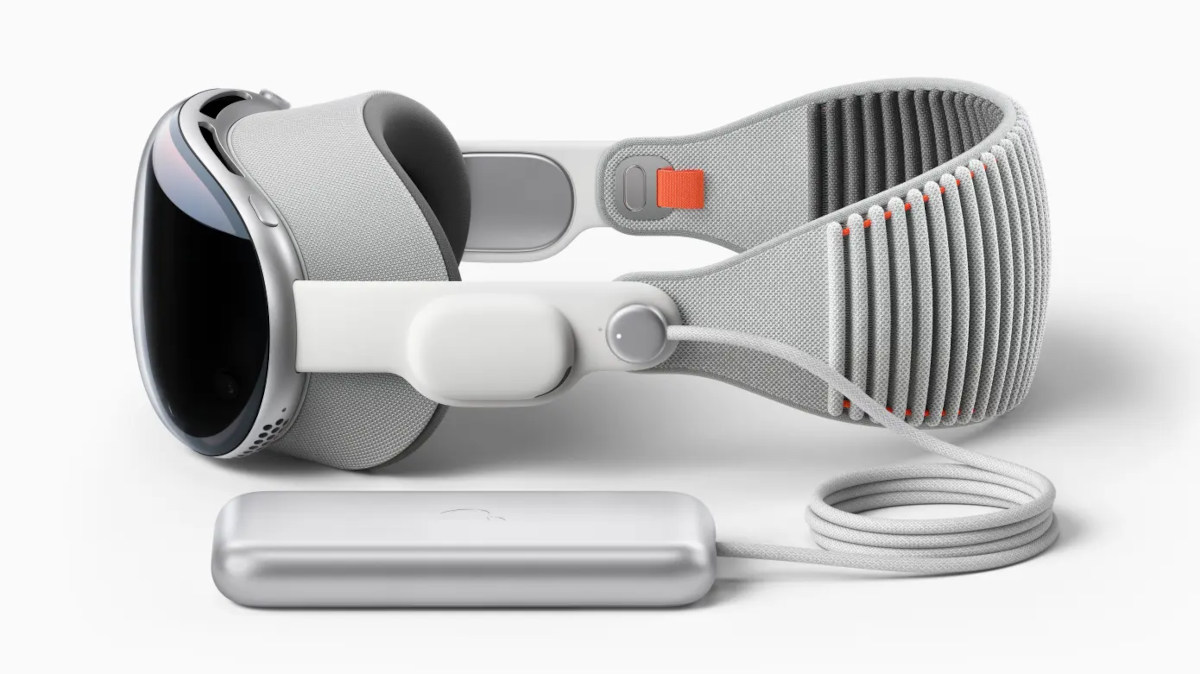
In February 2024, Apple started to ship its VR headset, the Apple Vision Pro, with its two Sony 1.3" 4K OLED microdisplays. According to Ming-Chi Kuo, a respected Apple analyst, the market reaction to Apple's HMD was much lower than expected, and Apple decided to slash its production plan from 800,000 units in 2024 to about 400,000.
The Vision Pro has been shipping in the US only, but it seems the company prefers to cut production rather than start to ship the headsets globally - a sign that it does not expect demand to be higher outside of the US. According to Kuo, Apple is likely to cancel its plan to release a new version in 2025.
Samsung Display is developing its own OLED microdisplays, and the company is looking to bring such displays to market soon - in fact initial production will begin by the end of 2024, and full mass production will be achieved in 2026. It is not clear whether this new Sony design win means that Samsung Electronics prefers the Sony displays over SDC's, or whether it's simply a matter of Samsung Display not ready in time for mass production.
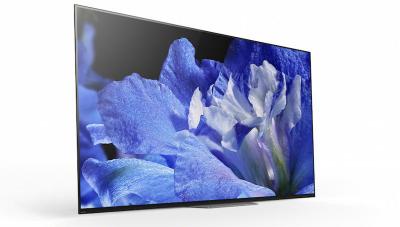
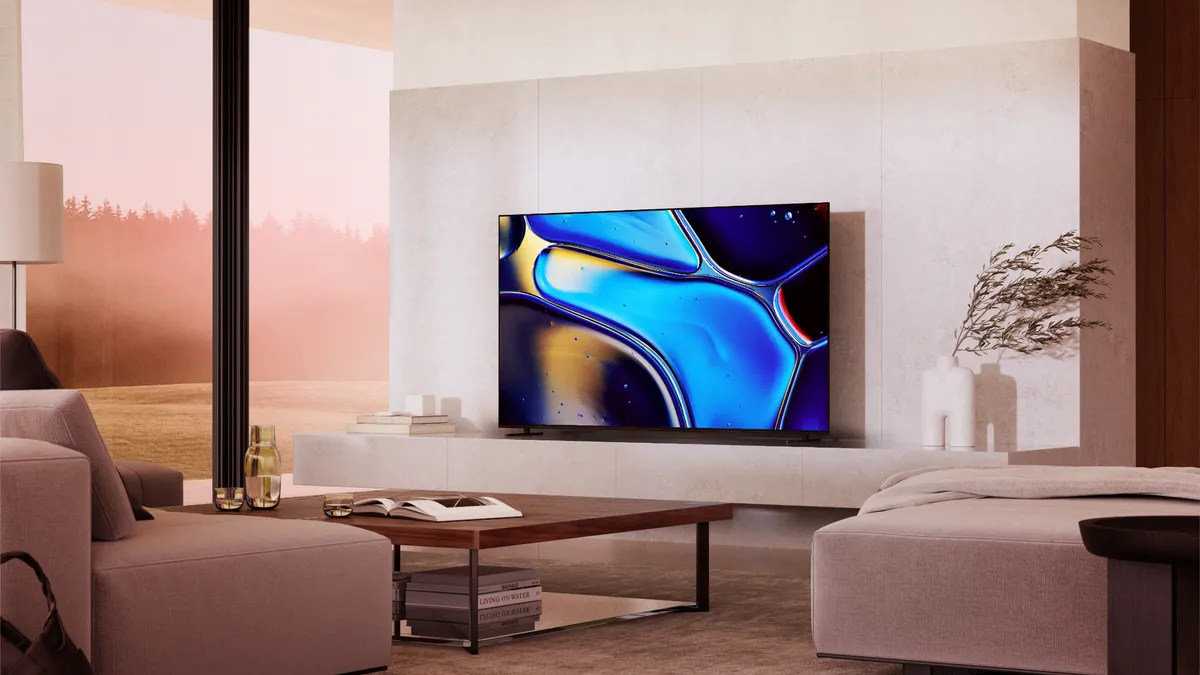
Sony announced its 2024 TV lineup, and interestingly, the top model (the Bravia 9) is a Mini-LED backlit QLED TV. The entry-level model (the Bravia 7) is also a QLED display, while the mid-range model, the Bravia 8, is based on LGD's WOLED panels.
The Bravia 8 offers 55-, 65- and 77 inch 4K WOLED panels, Sony's OLED Acoustic Surface Audio+ sound system, an upgraded XR Processor, and the creator calibration picture settings. Sony's 2024 TVs will launch in the summer of 2024.
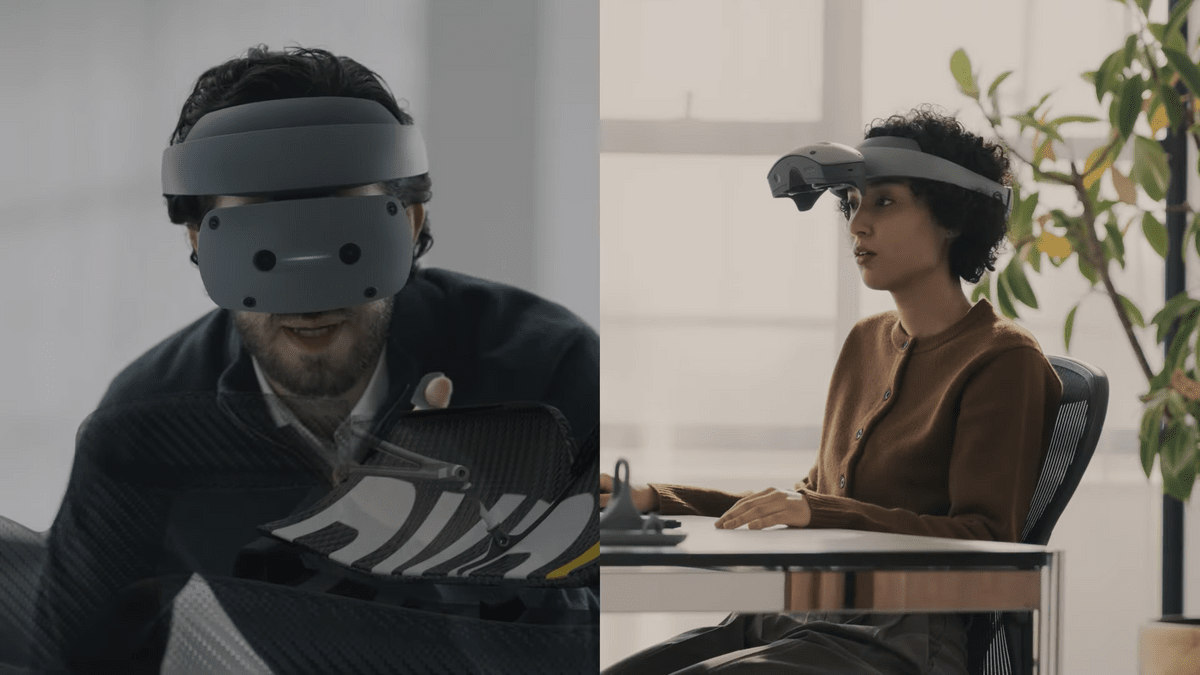
Sony is demonstrating an early-stage MR headset, based on dual 1.3" 4K OLED microdisplays (or at least this is what is assumed, as Sony did not exactly detail the displays). The headset, which isn't yet a product, uses Qualcomm's XR2+ Gen 2 processor, includes passthrough video (soft-AR), and unique controllers. Sony said its headset is "primarily designed for professionals who work with 3D".
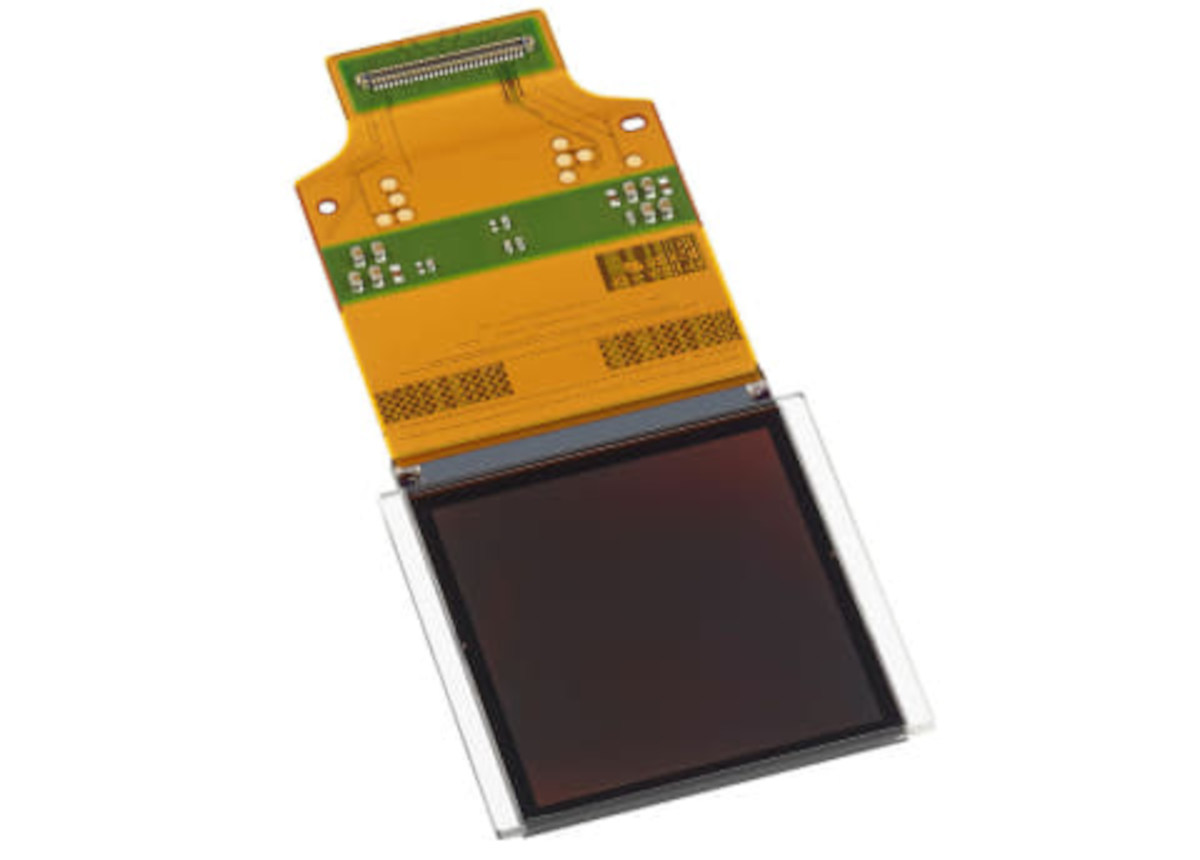
It is likely that this headset uses Sony's ECX344A displays - which are actually 1.41" 4K (3552x3840) OLED microdisplays, announced in August 2023. These same displays are used by Apple in its Vision Pro headset.
Last week we posted the following article, but it turns out that our information was not correct. We mentioned that this was a strange report - and indeed it turns out that Trendforce analysis was misquoted, and the company did not say that Apple will stop using Sony's OLED microdisplays. We are sorry for posting this!
Apple first VR headset, the Apple Vision Pro, will use dual 1.3" 4K OLED microdisplays. Apple has been working with Sony, that produced the first OLED microdisplays, but later reports suggested that Apple is looking to replace Sony with Seeya and BOE as its suppliers to reduce costs (and also likely to increase potential supply as Sony has limited capacity).
According to a new report by TrendForce, Apple has made some changes to its Vision Pro supply chain and has decided to already stop using Sony's OLED microdisplays - and indeed go with Seeya and BOE.
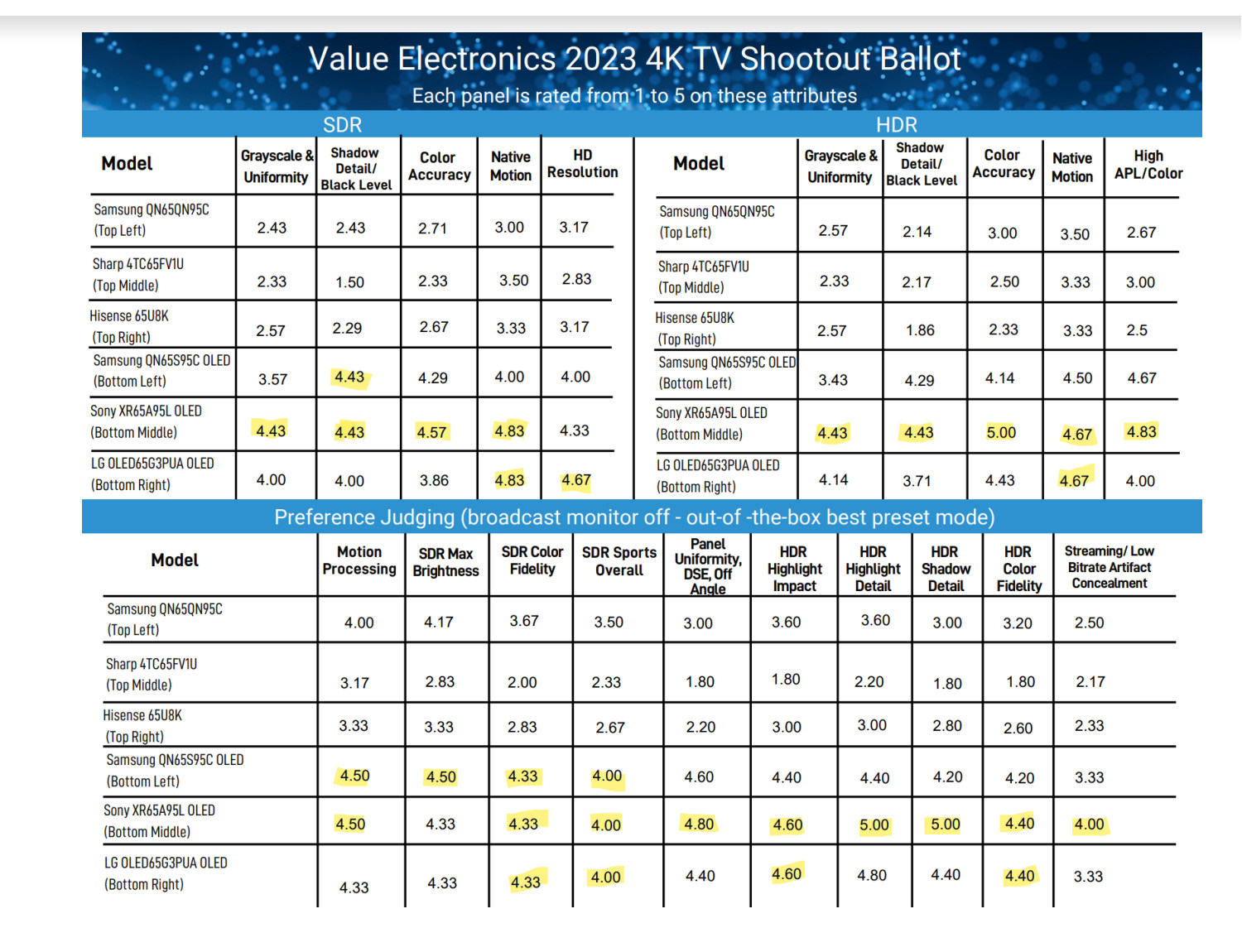
Value Electronics hosted their annual TV shootout, checking several high-end TVs to see which model provides the best images. The TVs were professionally calibrated, and tested one next to the other. In total, Value Electronics' shootout featured 6 65" 4K TVs - 3 OLEDs and 3 MiniLED LCD. IN the 8K shootout, there were 3 TVs, from Samsung, Sony and LG. As in previous years, OLED TVs were crowned the "King of TVs", in both the 4K and 8K categories.
Apple first VR headset, the Apple Vision Pro, adopts dual 1.3" 4K OLED microdisplays made by Sony. According to reports, Apple is looking to replace Sony as its supplier and is testing displays made by Seeya and BOE. Apple seems to be aiming to adopt these in its next-gen Vision Pro model - and also in a future low-cost mixed-reality headset.
Back in 2021, Sony unveiled a 4K OLED microdisplay prototype. In June Apple announced the Vision Pro headset, which uses two Sony-made 1.3" 4K (3,552 × 3,840) OLED microdisplay, made by Sony. And today Sony finally officially introduced its ECX344A display, targeting VR and AR devices.
Sony says that in order to develop the new display it developed new miniaturization processes as well as a new pixel drive circuits and a high-speed driver circuit. Sony says that the display will ship by the end of 2023 and its price is set at 150,000 Yen, or just over $1,000 USD (it is estimated that Apple pays around $350 for each panel).
A new report by the Financial Times now suggests that Apple originally planned to produce around a million Vision Pro units in 2024, but it has scaled down its plan and now aims to produce only 150,000 units. The reports suggest that critical components are to blame, but it remains to be seen whether Apple will actually be able to sell a large number of these highly expensive devices.
Apple announced its first VR headset, the Apple Vision Pro, and new details are starting to emerge on the displays adopted by Apple. According to Business Korea, the external display (used to simulate the user's eyes) are OLED displays, produced by LG Display.
We do not know the exact display specifications yet. Business Korea says that these displays cost around $30 to make. They also say that the Sony 4K microdisplays cost around $350 each (which makes sense), and so together the OLED displays in Apple's headset cost over $700 - or almost half the total production cost (estimated at around $1,500).