 Sony is one of the leading consumer electronics companies in the world. Sony has been developing OLED technologies for many years and has been one of the pioneers in the field.
Sony has an extensive OLED history and research project, and is both an OLED producer and an OLED panel customer for its TVs and other products (VR headsets, for example). Sony used to adopt OLEDs in its MP3 players, mobile gaming consoles and more.
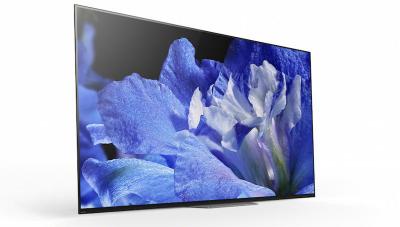
The company operates its own low-volume AMOLED production line, and in 2007 launched the world's first OLED TV (a 11" monitor a TV, the XEL-1) which was discontinued shortly after. Sony's production line is currently used to produce high-end OLED broadcasting monitor panels.. The company no longer produces consumer AMOLED displays, though. Sony also has an OLED microdisplays production line, and is the supplier for Apple's Vision Pro headset among many other products.
Sony is also producing TVs based on OLED panels, supplied by both LGD (WOLED) and Samsung Display (QD-OLED).
1-7-1 Konan
Minato-ku
Tokyo
108-0075
Japan
Sony launches a new 10,000 nits 0.44-inch FHD OLED microdisplay - the world's brightest and with the smallest pixels
Sony announced a new OLED Microdisplay, the ECX350F, a 0.44" 120Hz 1920x1080 (FHD) microdisplay that offers the world's highest brightness at 10,000 nits. It also offers the world's smallest pixel size at 5.1 um (the PPI is around 5,000).

Sony says that in order to reach this high brightness, it adopted a new OLED stack structure, a new "semiconductor process" and added a microlens array on top of the display. In addition, the bezel size of the new display is exceptionally small, with only 1.14 mm of added bezel on the long side of the display on both top and bottom.
Apple looks to adopt a TFT AMOLED for its future entry-level MR headset
There's an interesting report in Korea that claims that Apple is developing an entry-level MR headset, and is looking to adopt TFT based AMOLED displays, as opposed to the currently-used OLED microdisplays. It is reported that both JDI and Samsung are in talks with Apple, and have been requested to develop lower-cost TFT AMOLEDs with a pixel density of 1,500 PPI (down from 3,400 PPI high-end Sony microdisplays used in the Vision Pro).
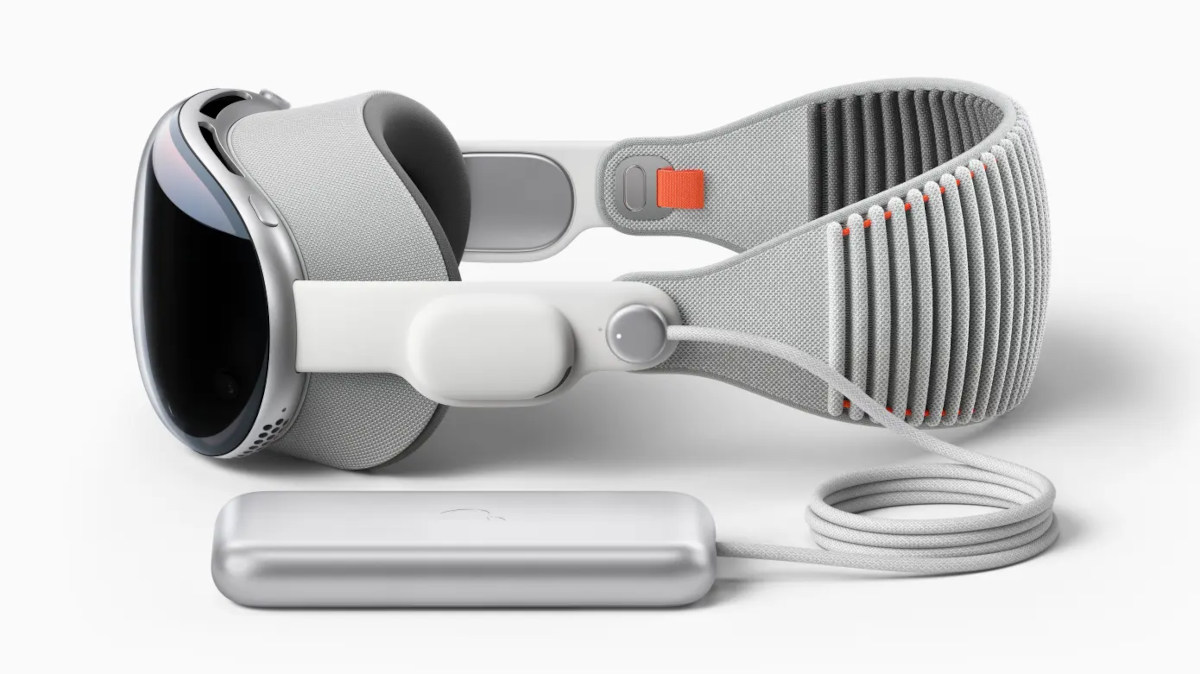
It is understood that JDI has already developed the technology and produced 1,500 PPI samples for Apple. Interestingly it is reported that the JDI displays uses Sony's technology, although it is not stated which technology exactly. Samsung meanwhile is also developing 1,500 PPI AMOLEDs at its A2 fab. Apple's target is to release the headset at around 2026-2027 and by then it is likely that more OLED producers (such as LG Display) will develop similar displays.
Microsoft signs up Samsung Display to supply it with OLED microdisplays for a 2026 headset
According to reports from Korea, Microsoft has signed an agreement with Samsung Display for the supply of OLED microdisplays for a future MX device, that Microsoft plans to launch in the future (likely 2026 or later).
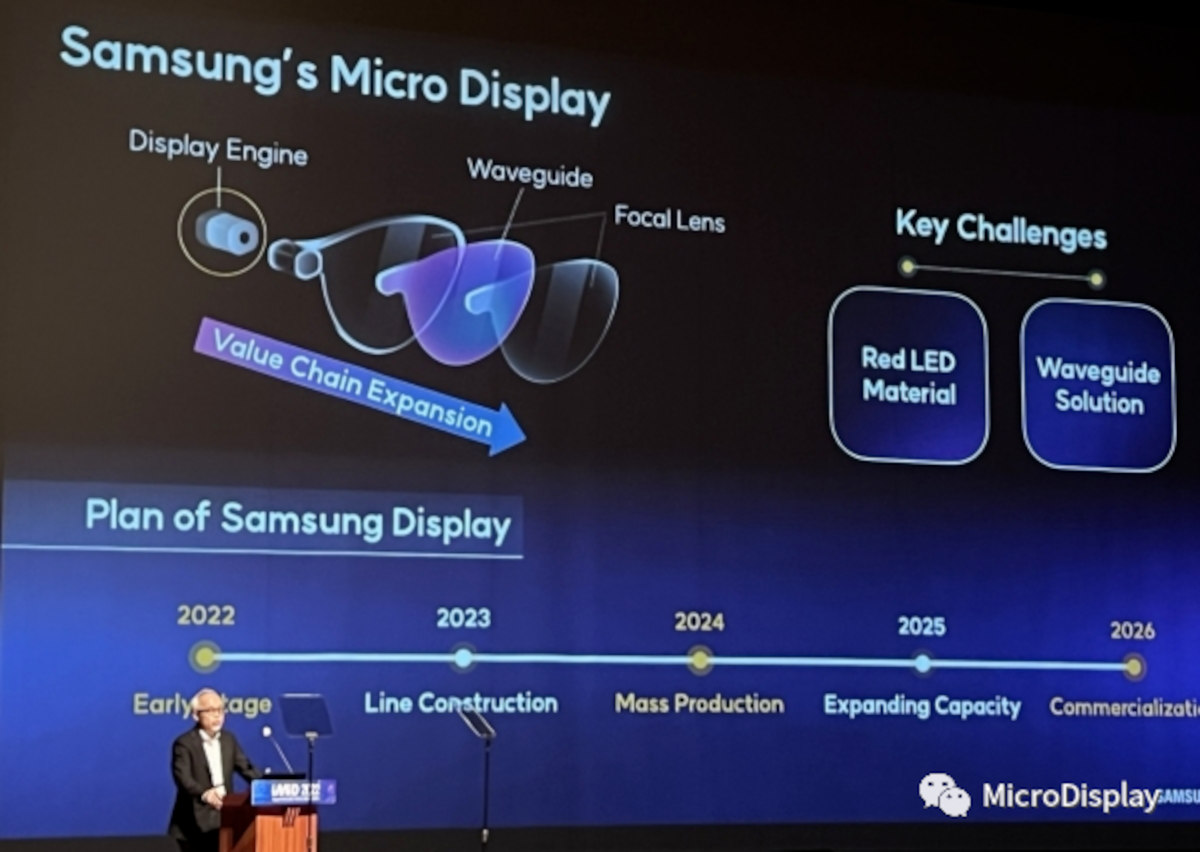
Microsoft agreed to order a few hundreds of thousands of units of Samsung's OLED microdisplays. Samsung Display is collaborating with Samsung System LSI, that will design the CMOS backplane, which will be produced by Samsung Foundry. Samsung Display will handle the frontplane OLED deposition and encapsulation.
Sony's QD-OLED A95L TV wins Value Electronics' 2024 TV Shootout
US retailer Value Electronics hosted their annual TV shootout® (now in its 20ths year), checking high-end calibrated TVs to see which model provides the best image quality. This year, Value Electronics tested six TVs, three of which were OLEDs, and three miniLEDs.

The three OLED TVs were the LG G4, Samsung S95D and Sony A95L. As in previous years, the top performing TV is a QD-OLED TV - specifically Sony's A95L. All of the three OLED TV models outperformed the miniLED TVs, as you can see by clicking on the image above.
Apple reportedly reaches out to Samsung and LG regarding the supply of OLED microdisplays
According to a report from Korea, Apple has sent an RFI for both Samsung Display and LG Display, seeking more information about the two companies capabilities regarding the production of OLED microdisplays. It is speculated that Apple is seeking to change its OLED supplier in a future, lower-cost VR headset.
Apple specifically mentions a white OLED with color filters architectures (i.e. not a direct-patterned device), a panel size of 2 to 2.1 inch and a display density of around 1,700 PPI (which is rather low, Sony's 4K microdisplays used in the Apple Vision Pro for example offer a density of almost 3,400 PPI).
Demand for Apple's Vision Pro is lower than expected, cuts its 2024 production plans by 50%
In February 2024, Apple started to ship its VR headset, the Apple Vision Pro, with its two Sony 1.3" 4K OLED microdisplays. According to Ming-Chi Kuo, a respected Apple analyst, the market reaction to Apple's HMD was much lower than expected, and Apple decided to slash its production plan from 800,000 units in 2024 to about 400,000.
The Vision Pro has been shipping in the US only, but it seems the company prefers to cut production rather than start to ship the headsets globally - a sign that it does not expect demand to be higher outside of the US. According to Kuo, Apple is likely to cancel its plan to release a new version in 2025.
Samsung said to adopt Sony OLED microdisplays in its upcoming VR headset
Samsung Electronics is developing a new high-end VR headset, likely aiming to release it by the end of 2024. According to reports, Samsung will integrate OLED microdisplays produced by Sony, similar 1.4" 4K displays that are used by Apple in its Vision Pro headset.
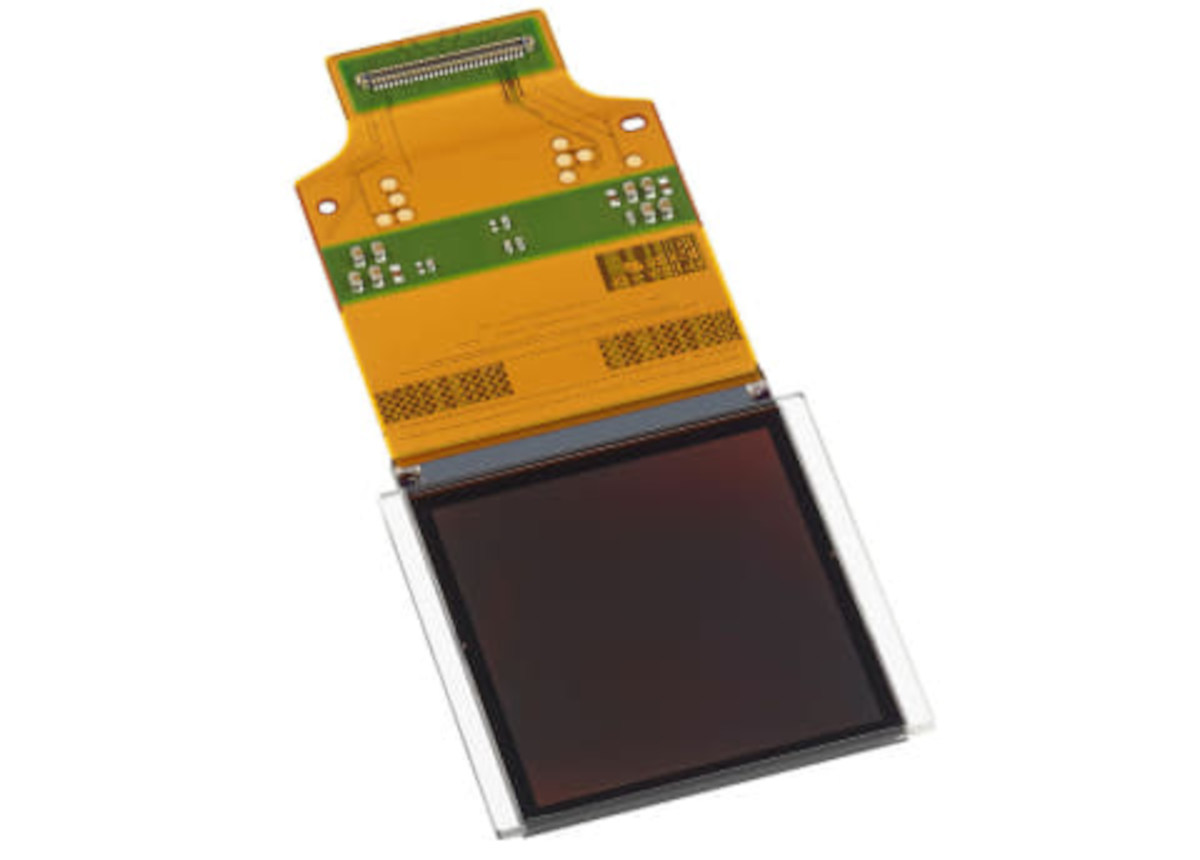
Samsung Display is developing its own OLED microdisplays, and the company is looking to bring such displays to market soon - in fact initial production will begin by the end of 2024, and full mass production will be achieved in 2026. It is not clear whether this new Sony design win means that Samsung Electronics prefers the Sony displays over SDC's, or whether it's simply a matter of Samsung Display not ready in time for mass production.
Sony launches its 2024 TV lineup, with a mid-range OLED TV and a top-tier MiniLED backlit QLED
Sony announced its 2024 TV lineup, and interestingly, the top model (the Bravia 9) is a Mini-LED backlit QLED TV. The entry-level model (the Bravia 7) is also a QLED display, while the mid-range model, the Bravia 8, is based on LGD's WOLED panels.
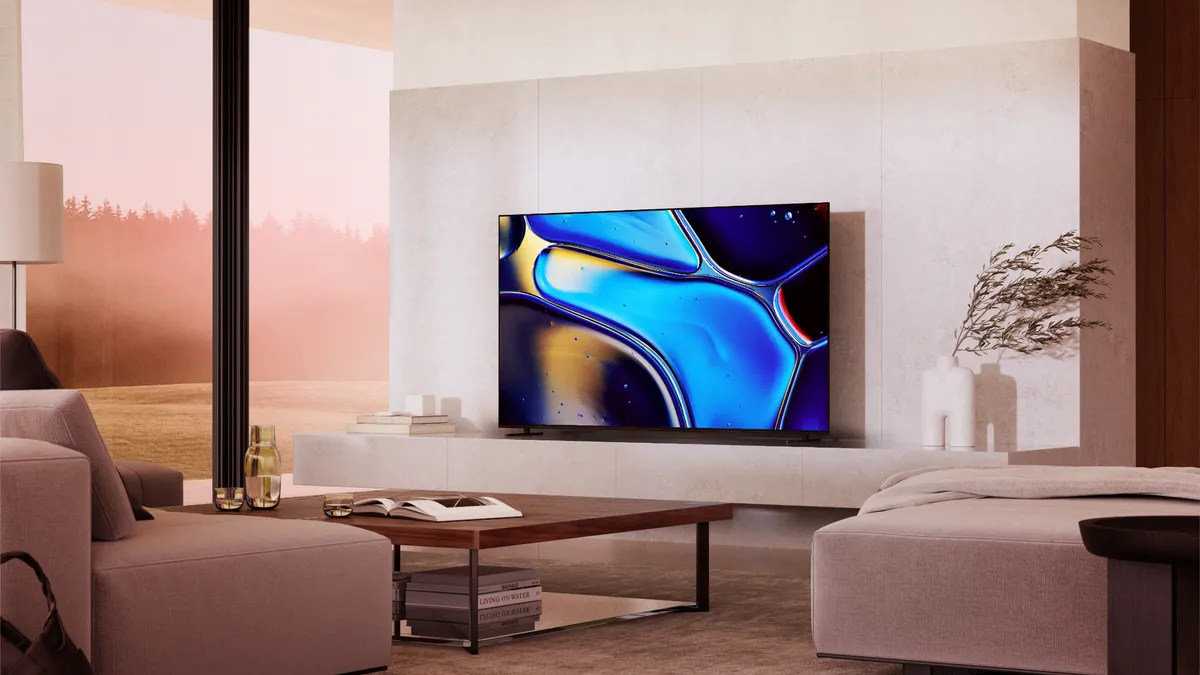
The Bravia 8 offers 55-, 65- and 77 inch 4K WOLED panels, Sony's OLED Acoustic Surface Audio+ sound system, an upgraded XR Processor, and the creator calibration picture settings. Sony's 2024 TVs will launch in the summer of 2024.
Will Samsung decide to abandon its QD-OLED technology?
In 2019 Samsung Display announced its decision to invest $10.85 billion in QD-OLED TV R&D and production lines. A few years later, SDC started to produce panels in its first fab, mass producing TV and monitor QD-OLEDs. The company attracted several customers (Sony and Samsung Electronics for TV panels, and several companies for its monitors), and these displays have been very well received by the market.
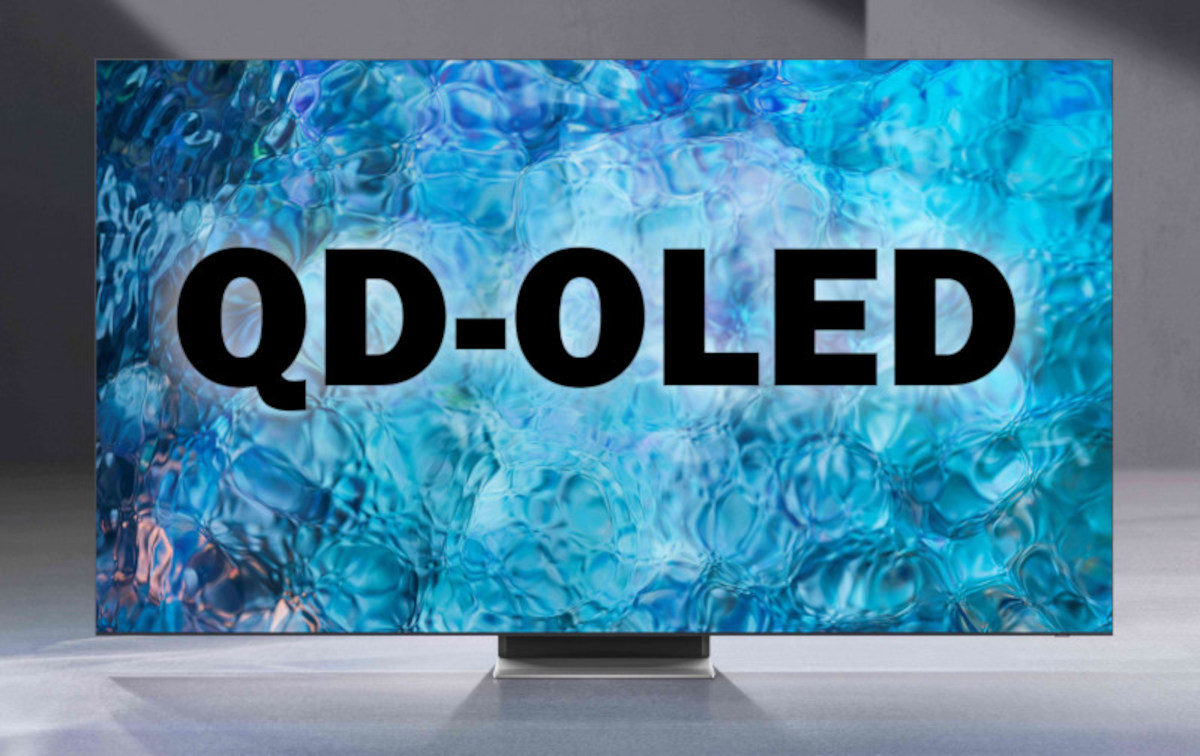
Since 2022, Samsung has increased its production yields, and increased its production capacity, and today it produces around 40,000 substrates a month in its 8.5-Gen production line. Reviews of QD-OLED gaming monitors and TVs are very positive, with many analysts seeing QD-OLED as improving over LGD's WOLED panels in terms of image quality.
But the reality at Samsung Display's QD-OLED division, is likely not so rosy. It seems that the technology is facing both market challenges and technology challenges - which may lead to a decision by Samsung to abandon it altogether.
New OLED TVs, monitors, laptops and prototypes announced at CES 2024
During CES 2024, many device makers announced new laptops, monitors and TVs that use OLED displays. Here's a list of all these new devices:
- MSI Monarch 13 laptop (13.3" 2.8K AMOLED)
- LG OLED B4, C4, G4, M4 (WOLED TVs)
- Samsung Odyssey G9 monitor (49" 5120x1440 240Hz QD-OLED)
- Samsung Odyssey G8 / G6 monitors (27" 1440p 360Hz / 32" 4K 240Hz QD-OLED)
- Razer Blade 16 2024 laptop (16" 2560x1600 240Hz SDC AMOLED)
- Dell 2024 XPS 13 / 14 / 16 laptops (16" 90Hz 4K / 14.5" 120Hz 3200x2000 / 13.4" 2880x1800 60Hz AMOLED)
- Acer Predator X34 X / X39 monitors (4" / 39" 3440x1440 240Hz OLED)
- LG Signature OLED T (77" 4K wireless transparent WOLED TV)
- Samsung S95D, S90D, S85D (QD-OLED and WOLED TVs)
- Gigabyte AORUS 2024 QD-OLED monitors (27", 31.5", 34" QD-OLEDs)
- Acer 2024 Swift 14 X / Swift Go 14 / Swift Go 16 laptops (14" / 16" AMOLEDs)
- Panasonic Z93A, Z95A (WOLED TVs)
- HP Omen Transcend 32 gaming monitor (32" 240Hz 4K QD-OLED)
- Dell Alienware AW2725DF / AW3225QF monitors (27", 32" QD-OLEDs)
- HP 2024 Spectre x360 14 laptop (14" AMOLED)

