UDC signed an OLED material evaluation agreement with Seiko Epson
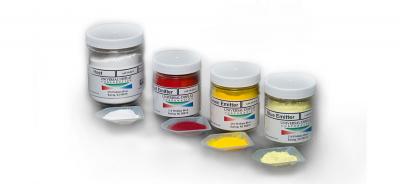
Universal Display announced that it has signed an OLED evaluation agreement with Seiko Epson. Under the agreement, Universal Display will supply its proprietary phosphorescent OLED materials and technology to Epson for AR/VR microdisplay applications.
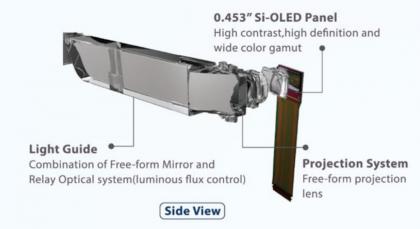
Seiko Epson is producing OLED microdisplays (branded as Si-OLED) for many years. It's latest announced display is a 0.453-inch 1920x1080 panel. The company's displays are used in its Moverio series of AR smartglasses. The company is also developing optical design engines (its 4th-Gen one is pictured above).
Read the full story
Posted: Jan 18,2023