QD-OLED

Analyzing the past, present and future of QD-OLED architecture

QD-OLED is an OLED display architecture, that is based on single-color OLED emitters and color conversion using quantum-dots. This relatively complex architecture was invented years ago as a way to solve the challenges of large-area OLED RGB device deposition.  

In recent years, we have seen successful full-scale commercialization of QD-OLED panels (by Samsung Display), but now in 2025, is there a place for this interestingly but complex device architecture? In this article we discuss the following topics:

Read the full story Posted: Nov 12,2025

Someone tested a QD-OLED gaming monitor for 18 months, or 4,500 hours - and shares the burn in results

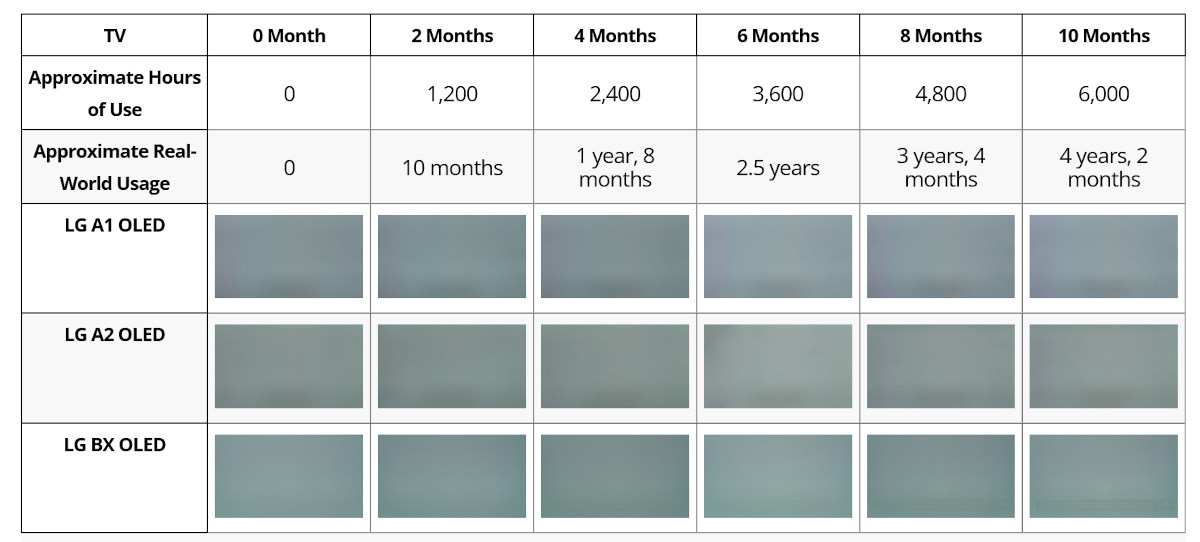
A YouTuber called Monitors Unboxed, launch an extensive OLED burn-in test 18 months ago, to check the MSI MPG 321URX QD-OLED monitor. After this long 4,500 hours deliberate testing, the results are shared in the video below.

First of all, it's important to note that these tests do not represent real gaming or work image patterns - showing only (or 95%, to be honest) static images is the worst-case scenario for OLED image retention. In any case, the YouTube says that after about 12 months, the monitor is just beginning to show some 'annoying' burn in. After 15 months - "there's been a noticeable increase in the visibility of the main artefacts in uniform dark grey test images," though only a small change.

Read the full story Posted: Sep 11,2025

Stacked OLEDs: past, present, and the bright future of multi-layer displays

Stacked, or tandem, OLED architecture involves integrating multiple OLED emission units vertically within a display panel, rather than just one as in traditional OLEDs. By stacking these layers, each can contribute to the overall light output, enabling higher brightness and efficiency – and also longer lifetime as each OLED device is driven at a lower current. Technically, a tandem device includes exactly 2 layers, but this term is now loosely used to describe any stacked OLED.

Standard RGB OLED stack, vs Tandem RGB stack (source: Excyton)

The stacked OLED structure is particularly valuable for applications where high brightness (including in HDR scenarios), efficiency (although this is not dramatic) and durability are essential – mostly IT devices (laptops and tablets), microdisplays and automotive displays. OLED TV panel makers have also adopted stacked architectures, but for slightly different reasons (which we will discuss below). Companies are developing novel stacked based architectures.

In this article, we will discuss:

  • The advantages and disadvantages of stacked architectures
  • The current architecture used by OLED panel makers
  • The stacked designs of LG’s WOLEDs and Samsung QD-OLEDs panels
  • The latest innovative technologies
  • The future of the stacked OLED industry and markets
Read the full story Posted: Aug 27,2025

Will OLED inkjet printing finally take off in 2025? We explore the past, present and future of OLED inkjet technology

Inkjet printing of OLED displays has been in development for many years, driven by the potential of this deposition technology to reduce the cost of OLED display manufacturing.

Currently, the vast majority of AMOLED, WOLED, and QD-OLED production relies on evaporation methods to deposit OLED layers. In these processes, OLED molecules are evaporated and then deposited onto the required substrates. For AMOLED displays, precise subpixel patterning is necessary, which requires the use of a fine metal mask (FMM). While subpixel patterning is less complex for WOLED and QD-OLED production, these technologies still depend on material evaporation.

Evaporation-based OLED deposition has enabled the large-scale production of high-quality, affordable OLED displays found in wearables, smartphones, tablets, laptops, monitors, and TVs. This approach forms the foundation of today’s OLED industry, which exceeds $40 billion in value.

This article will examine the alternative approach of OLED inkjet printing, review its history and current status, and consider its future prospects.

Table of contents for this article

  • Introduction to OLED deposition processes
  • Soluble OLED materials and processes
  • OLED inkjet printing – history and technology progress
  • Inkjet printing of OLED TFE and QD-OLEDs
  • TCL CSoT – the last inkjet printing champion?
Read the full story Posted: Jul 21,2025

UBI: Shipments of OLED TV panels to reach 10 million units by 2028

UBI Research predicts that shipments of OLED TV panels will grow from about 7 million units in 2025 to almost 10 million units in 2028.

UBI Research further says that at around 10 million units, both Samsung's QD-OLED fabs and LGD's WOLED fabs will operate at almost full capacity, which means that any increased shipments will have to be preceded by capacity increases.

Read the full story Posted: Jun 12,2025

Samsung Display launches a new brand identity for its QD-OLED panel technology

Samsung Display today announced a new, and somewhat curious brand identity for its QD-OLED technology, underscoring how QD-OLEDs provide a distinctive wide color gamut (which will 'vivify' your display), and also emphasizing the blue color that is the basis of the QD-OLED emission:

QD-OLED panels were first introduced by Samsung Display in 2021, and have been used in over 170 products, mostly TV and monitors, from brands that include Samsung Electronics, Sony, Dell, HP, and Asus.

Read the full story Posted: Apr 29,2025

Samsung Display aims to increase its QD-OLED monitor shipments in 2025 by 50%

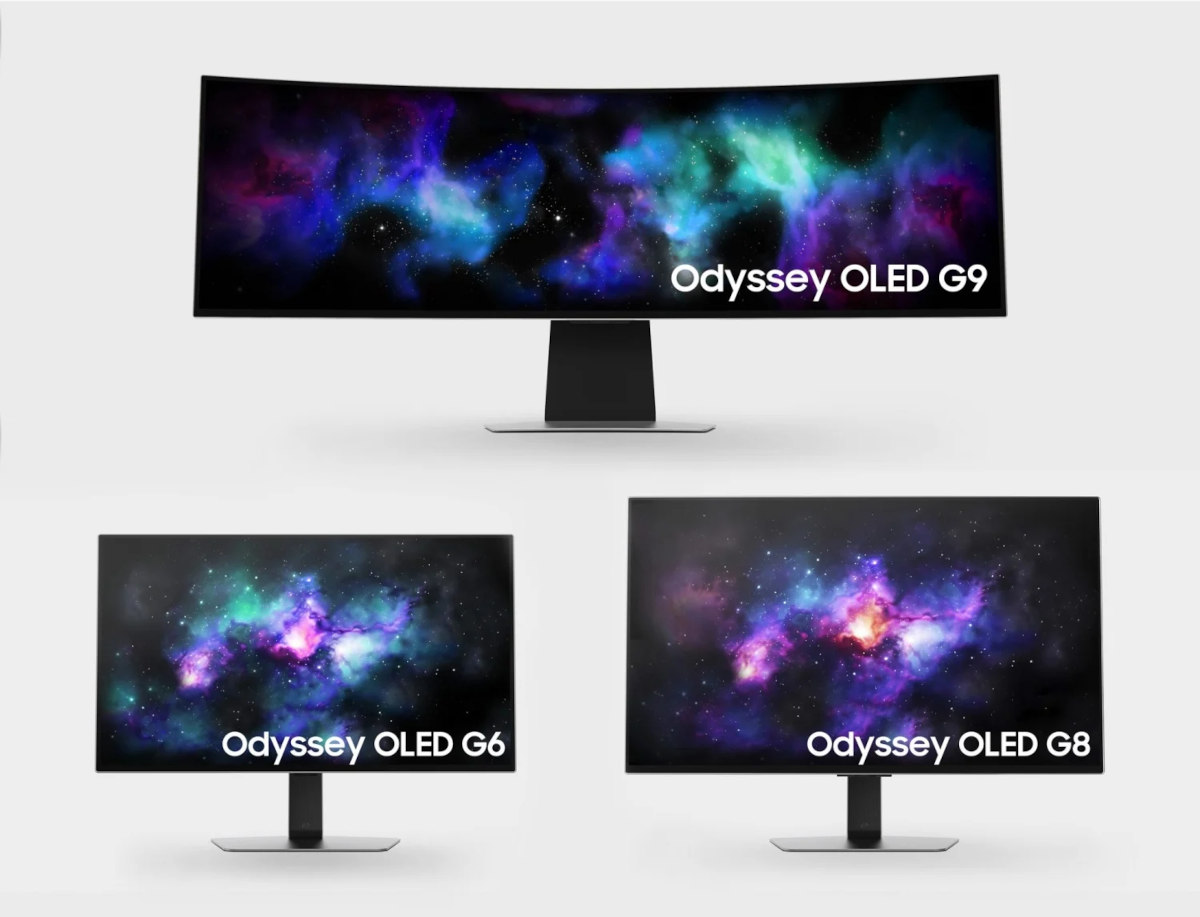
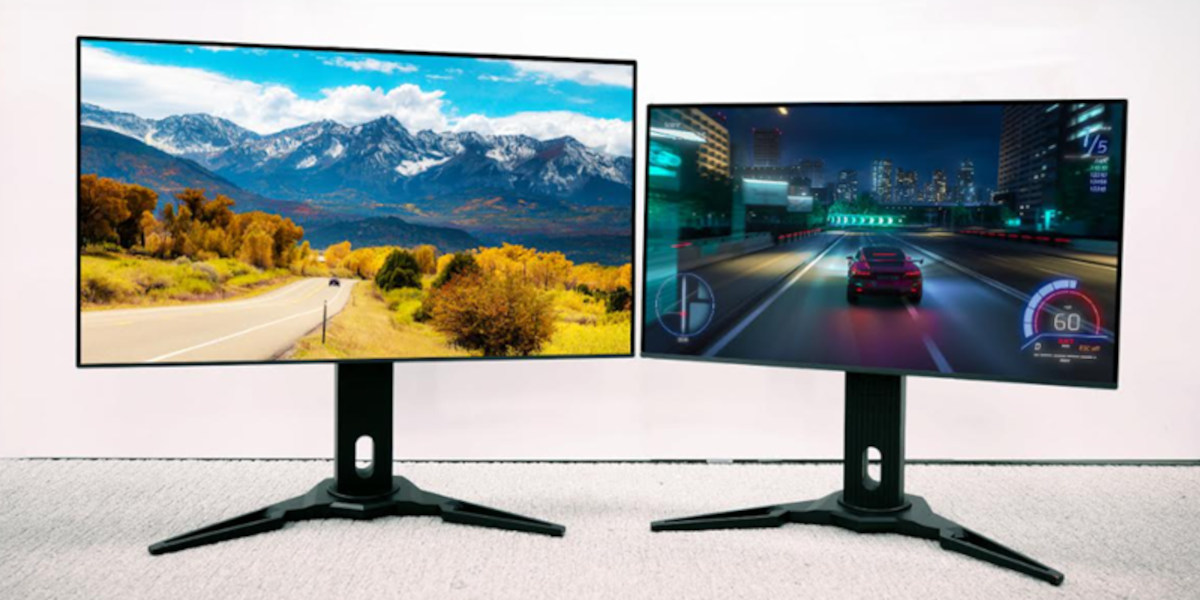
Samsung Display says that it aims to increase its QD-OLED monitor panel shipments to 1.43 million units in 2025, an increase of 50% over 2024. The company plans to launch new products, that it has already announced, mainly its 27" 4K panel which offers the highest pixel density (160 PPI) of all 27-inch OLED panels and its 27" 500hz QHD panel that it will start mass producing.

According to Omdia, OLED monitor panel shipments increased from only 8,300 units in 2021 to 160,000 units in 2022, 820,000 units in 2023 - that's a CAGR of 300% from 2021 to 2024. Omdia estimates that SDC holds a market share of 71.2% in the global OLED monitor panel market, with its QD-OLED panels.

Read the full story Posted: Mar 23,2025

Korea's high court accepts Novaled's claims and nullifies two QD-OLED ETL patents submitted by Solus Advanced Materials

A report from Korea suggests that a few years ago Solus Advanced Materials filed two patents in Korea (2282799 and 2344831) in the area of QD-OLED ETL materials, but in 2023 Novaled filled a motion to nullify the patents, which was accepted by Korea's Property High Court. 

Solus Advanced Materials OLED fab in Iksan - photo

Solus did not appeal the ruling, which means it is final. According to the report, Novaled (owned by Samsung) is the exclusive supplier of ETL materials used in Samsung's QD-OLED panels, and following this decision, it is expected to remain the sole supplier.

Read the full story Posted: Mar 11,2025

Counterpoint: premium TV shipments grew 38% in 2024, driven by stronger demand for MiniLED LCDs

Counterpoint research says that TCL's premium TV market share has surpassed LG Electronics' share, as shipments of MiniLED-backlit LCDs grew 170% from 2023. Shipments of MiniLED TVs are now higher than the shipments of OLED TVs. The whole premium TV segment grew 38% in 2024.


Counterpoint defines premium TVs as either high-end LCDs (QD-MiniLED, QD-LCD, NanoCell, 8K LCD), OLEDs (both QD-OLED and WOLED panels) and also MicroLED TVs.

Read the full story Posted: Mar 05,2025