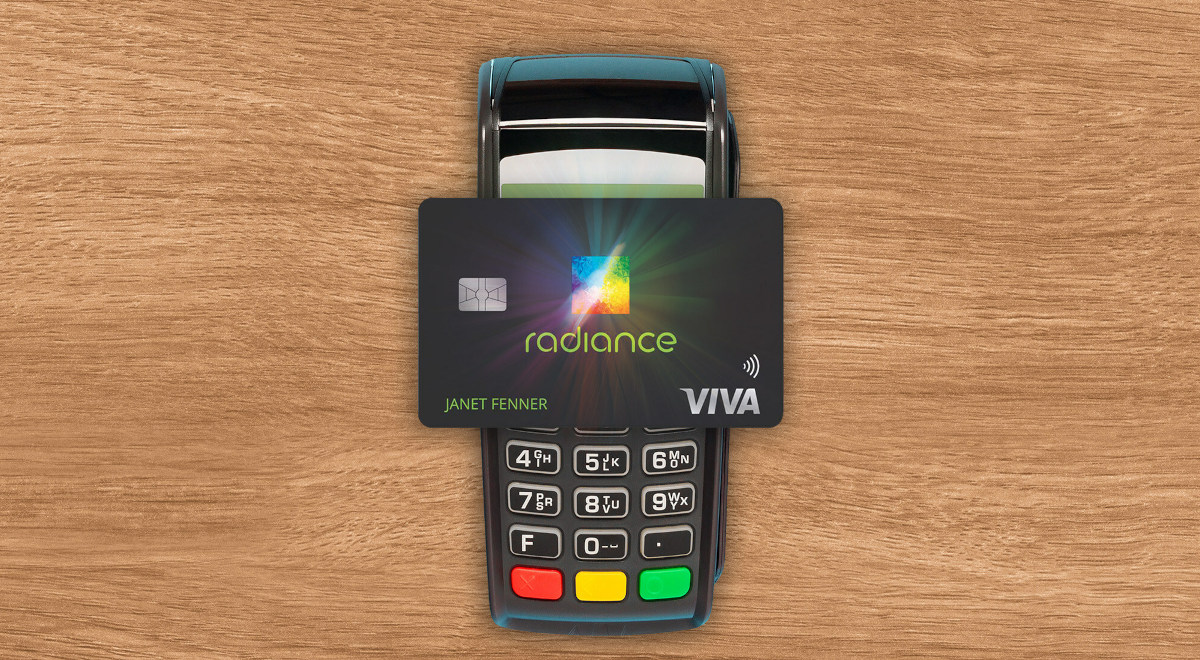
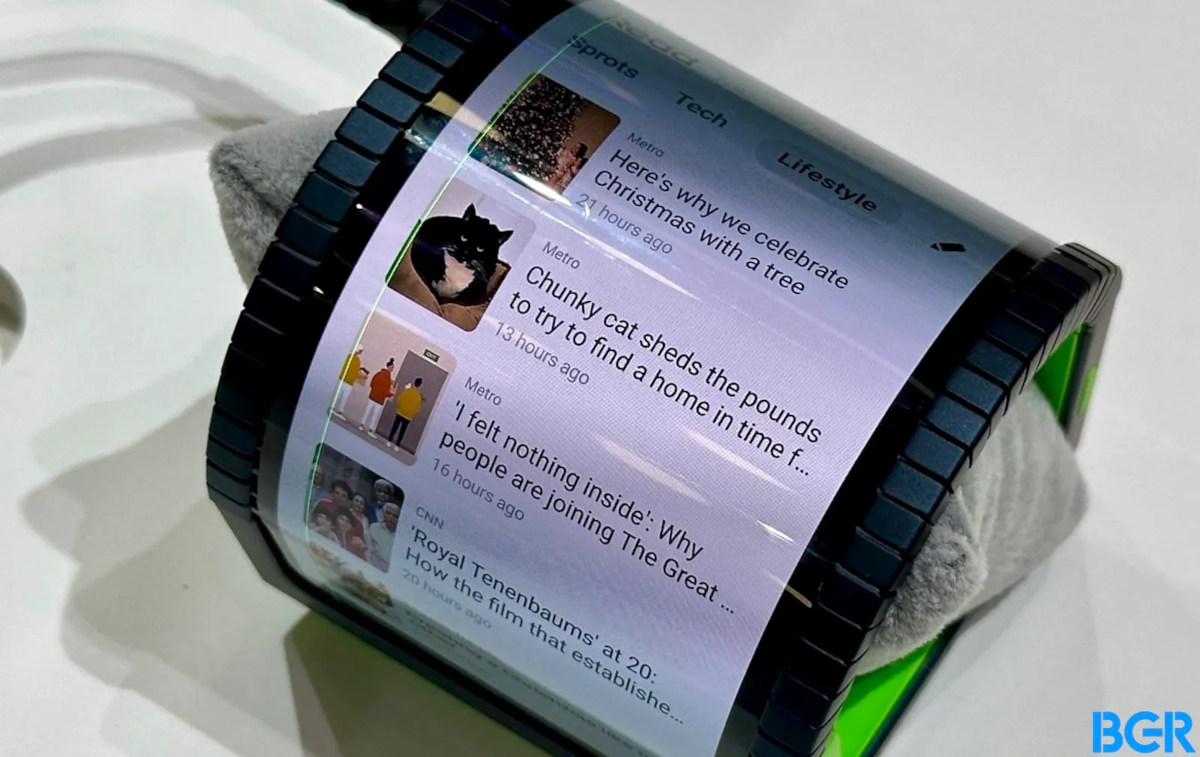
Flexible OLEDNanometer Graphene can be used to make better and cheaper large-area OLEDs03/09/2010Researchers at Stanford University have successfully developed a brand new concept of OLEDs with a few nanometer of graphene as transparent conductor. This paved the way for inexpensive mass production of OLEDs on large-area low-cost flexible plastic substrate, which could be rolled up like wallpaper and virtually applied to anywhere you want. The researchers say that Graphene has the potential to be transparent, high-performance, highly conductive and cheaper by several orders of magnitude than current ITO based solutions. Interestingly just a few weeks ago we reported that Graphene can be used to make organic lighting devices, too. Traditionally, indium tin oxide (ITO) is used in OLEDs, but indium is rare, expensive and difficult to recycle. Scientists have been actively searching for an alternative candidate. The next generation of optoelectronic devices requires transparent conductive electrodes to be lightweight, flexible, cheap, environmental attractive, and compatible with large-scale manufacturing methods. Graphene (a single layer of graphite) is becoming a very promising candidate due to its unique electrical and optical properties. Very recently, Junbo Wu et al., researchers at Stanford University, successfully demonstrated the application of graphene in OLEDs for the first time. Bundesdruckerei shows ePassport with Samsung's flexible AMOLED03/08/2010Remember Samsung's flexible OLED for ID cards or passports? Bundesdruckerei is showing their e-passport that uses that AMOLED display at CeBIT. It still says "future product", but it seems to get getting closer to production every time we see it. The display is a flexible 2" QVGA (240x320), 260K color OLED with a 10,000:1 contrast ratio. It is very low on power, and actually uses the RF power from the contactless reader - there's no battery at all here. ModisTech to commercialize cheap flexible OLEDs for indirect lighting in 201002/19/2010Korea's Modistech is working on flexible OLED Lighting for indirect applications for quite some time, and are now planning to commercialize the technology in 2010. They will produce 150x150mm flexible OLED panels. Back in 2009, Modistech said they plan to do so in 2011, so apparently they are ahead of schedule. Modistech's slogan for the displays is 'paper-like, fabric-like and film-like'. They say that they will change the paradigm of lighting from 'to install' to 'to attach'. They want to use OLEDs as indirect lighting which does not require high luminance, and is suitable for the flexible OLEDs. It can be used in furniture, kitchenware, airplanes and especially automobiles (make up light, glove box light, foot light and trunk light). Modistech say that their technology minimizes the number of substrate processes and is using roll-to-roll deposition and self-developed encapsulation material. They claim that they reduce the manufacturing cost by up to 90%!. Via FocusOn PETEC and the Flexible Display Center to collaborate on printed flexible displays02/09/2010
The FDC is also working with UDC on flexible OLEDs. Earlier in 2009, they have already demonstrated a 4.1" monochrome QVGA PHOLED display. PETEC was opened in March 2009. One of the companies that are building a production line is PolyPhotonix, who are working on OLED lighting. A Japanese consortium says they can make flexible LCDs02/03/2010A Japanese consortium of 13 companies (including Sharp and Hitachi) claims that they found a way to make LCDs using plastic film instead of a glass substrate. This means that those displays can be very thin and flexible. They do admit however that this is a very complicated process. They have shown a 3.5" bendable color LCD that just 0.49mm thick and weights 7 grams. They hope to make a better display by 2012, and use this technology to mass produce thin, curved LCD displays. The companies say that the new manufacturing process is simpler than the one used in current LCDs, and also the new displays will consumer 70% less energy! More information over at CrunchGear. OLED TVs will have to find new ways to compete with LCDs02/01/2010Tech-On has posted an interesting article about OLED TV status. They discuss the situation of the technology, why is it so difficult to make a large OLED panel, and how are the various TV makers trying to solve the issues. I think the two most interesting points are:
Here's the link to Tech-On's article. Bayer to start mass-producing flexible OLEDs in 2010?01/26/2010Dr J Devin McKenzie, Add-Vision's CTO was interviewed about Printed-Electronics today. He gave the following comment on their goals for 2010: Add-Vision is supporting it's licensees as they scale up to pilot manufacturing and begin commercialization of printed flexible OLEDs. AVI R&D groups are focused on increasing efficiency of the manufacturing process and refining performance of printed devices towards product specifications. As far as we know, Bayer AG is the only Add-Vision licensee (announced in June 2009). So he is probably talking about them. it's great news to hear they are gearing up towards pilot manufacturing, and perhaps even commercialization of printed flexible Polymer-OLEDs. These will probably be small and cheap displays, as Bayer said they want to address the active packaging and labels, gift cards, electronic toys and games, promotional products or point-of-sale signage markets. Update: Here's another interesting interview with Add-Visions' CEO. He says that they actually have 4 licensees - Bayer, Toppan Forms, Alps Electric and CDT. So we're not sure now who's actually the one to start a pilot line in 2010... |
|