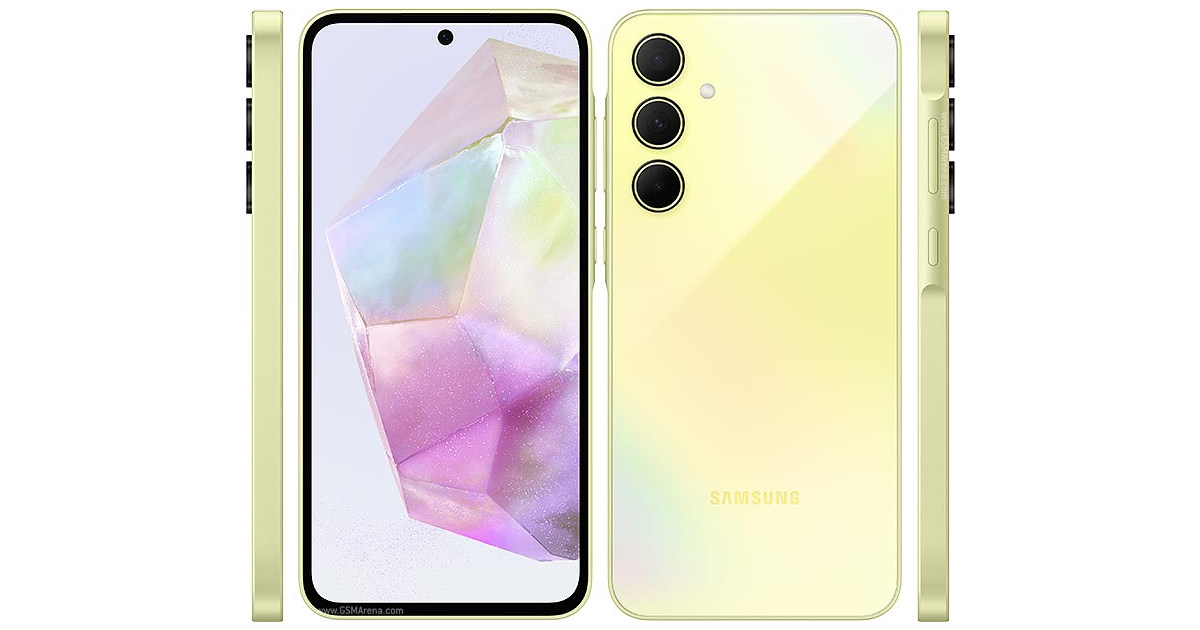
Samsung Galaxy S25 FE
Samsung's Galaxy S25 FE offers a 6.7" 120Hz 1080x2340 Dynamic AMOLED 2X LTPO display, an Exynos 2400 (4 nm) chipset, 8 GB of RAM, up to 512GB of storage and a triple camera setup.

Xiaomi's Redmi Note 15 smartphone family includes 3 smartphone models, all with AMOLED displays. The plain Redmi Note 15 has a 6.77" 120 Hz 3,200 nits (peak) 1080x2392 AMOLED display, a Snapdragon 6 Gen 3 chipset, up to 12 GB of RAM, up to 256GB of storage, and a microSDXC card slot.
The Redmi Note 15 Pro has an improved 6.83" 120Hz 3,200 nits (peak) 1220x2722 AMOLED display, a Mediatek Dimensity 7400 Ultra chipset, up to 12 GB of RAM and up to 512GB of storage. The Note 15 Pro+ shares the same display, but with improved chipset, memory options and camera.
Google's Pixel 10 smartphone family includes 4 different models, all with advanced LTPO AMOLED displays. The basic Pixel 10 device sports a 6.3" 3,000 nits (peak) 120Hz 1080x2424 LTPO AMOLED display, a Google Tensor G5 chipset, 12GB of RAM and up to 256GB of storage. The Pixel 10 Pro improves the display to a 6.3" 3,300 nits (peak) 120Hz 1280x2856 LTPO AMOLED, and up to 16 GB of RAM and 1TB of storage. The Google Pixel 10 Pro XL has a larger display - 6.8" 3,300 nits 120Hz 1344x2992 LTPO AMOLED.
The Google Pixel 10 Pro Fold is based on a 8" 3,000 nits 120Hz 2076x2152 foldable AMOLED display, and an external 6.4" 3,000 nits 120Hz 1080x2364 AMOLED. Internal specifications seem similar to the Pixel 10 Pro.
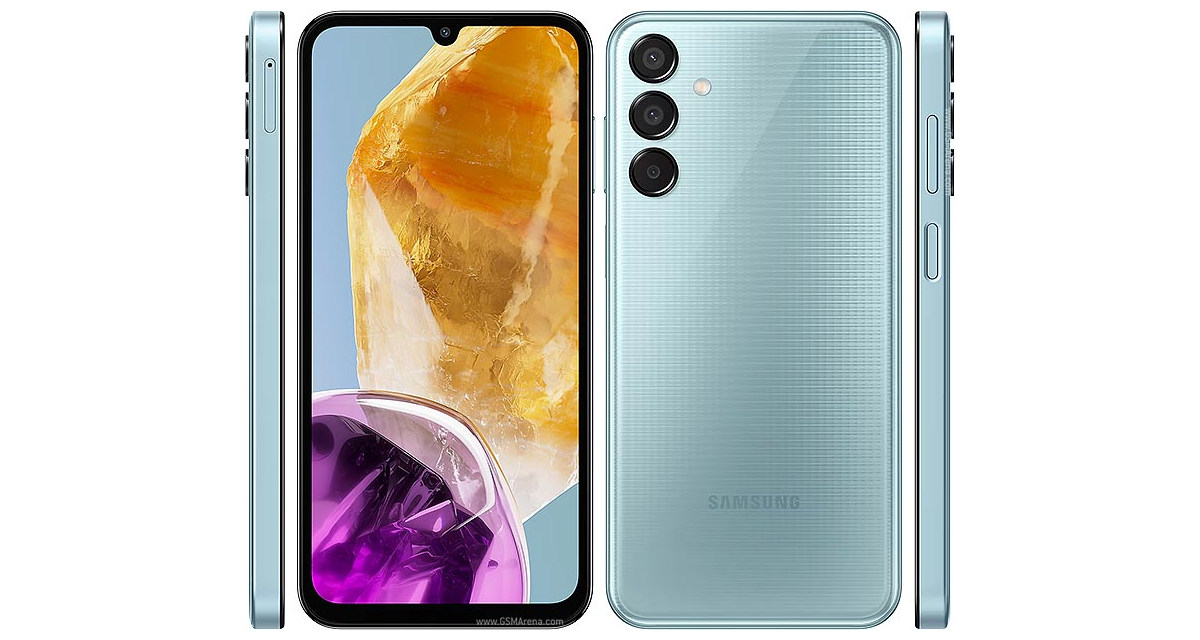
Samsung's Galaxy A17 budget smartphone has a 6.7" 90Hz 1080x2340 Super AMOLED display, protected by Corning Gorilla Glass Victus, an Exynos 1330 chipset, up to 8 GB of RAM and up to 256GB of storage. The A17 has a microSDXC card slot.
The Realme 15 smartphone offers a 6.8" 1280x2800 144Hz AMOLED display, a Mediatek Dimensity 7300+ chipset, up to 12GB of RAM and up to 512GB of storage. It is IP68, IP69 and MIL-STD-810H compliant.
The Realme 15 Pro has the same OLED display, with increased specifications (and a Snapdragon 7 Gen 4 chipset).
Samsung's 2025 range of foldable phones include three models. First up is the Galaxy Z Fold7, that offers a 8" 2,600 nits (peak) 120Hz 1968x2184 foldable LTPO AMOLED and a 6.5" 1080x2520 LTPO AMOLED cover display. The Fold7 is powered by a Snapdragon 8 Elite chipset and has up to 16GB of RAM and up to 1TB of storage.
The Galaxy 7 Flip7 is the company's flagship clamshell device, with a 6.9" 2,600 nits (peak) 120Hz 1080x2520 foldable LTPO AMOLED and a 4.1" 948x1048 Super AMOLED cover display. It is powered by an Exynos 2500 chipset and has 12 GB of RAM and up to 512GB of storage.
The Nothing Phone 3 offers a 6.67" 120Hz 4,500 nits (peak) 1260x2800 AMOLED display, a Snapdragon 8s Gen 4 chipset, up to 16GB of RAM and up to 512GB of storage.
The phone also sports a small LED display on the back, made from 489 individual LEDs, said to be microLEDs.
Huawei's Pura 80 series includes four different editions, all with LTPO AMOLED displays. The entry-level Pura 80 offers a 6.6" 120Hz 2,800 nits (peak) 1256x2760 LTPO AMOLED, protected by Huawei's Kunlun Glass 2.
The more advanced phones (the 80 Pro, 80 Pro+ and the 80 Ultra) all feature the same display: a 6.8" 120Hz 3,000 nits (peak) 1276x2848 LTPO AMOLED, protected by the same Kunlun Glass 2 cover glass.
Huawei's Nova 14 smartphone family includes 3 models, all powered by OLED displays. The Nova 14 offers a 6.7" 120Hz 1,100 nits (HBM) 1084x2412 AMOLED display. The Nova 14 Pro has an 6.78" 120Hz 1,200 nits (HBM) 1224x2776 LTPO AMOLED.
The Huawei Nova 14 Ultra offers a 6.81" 120Hz 5,500 nits (peak) 1272x2860 LTPO AMOLED.